

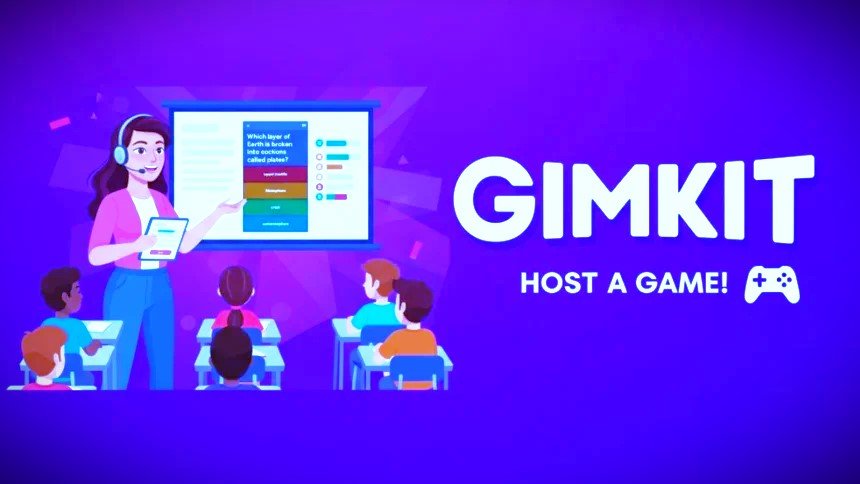
Here is where Gimkit acts as a rescue, an interactive and highly engaging game-based learning platform. It transforms the traditional quizzes into highly energizing games that students enjoy a lot. However, someone has to be leading the game if it is going to be most effective. That person is the Gimkit host.
To position it clearly, a Gimkit host is the man or woman who operates the Gimkit game. A teacher, show, or educator is most possibly the host, but at some point of group activities, a pupil can also take the lead.
You are the one responsible for:
- Picking the quiz (referred to as a “kit”)
- Deciding on the game mode
- Initiating and concluding the game
- Keeping track of the student’s progress
- Ensuring the session stays fun and organized
The host is in charge of all the things the game manager usually looks after.
The Gimkit host performs a major role in the degree of the game’s success and the level of its players’ engagement. A host who comes well-equipped can turn an ordinary quiz into a formidable educational occasion.
Gimkit Host’s Perks
- Maintains students’ concentration and eagerness
- Inspires a spirit of friendly rivalry
- Transfigures learning into an enjoyable and interactive activity
- Allows students to immediately learn from their mistakes
- Facilitates time-saving through competent class management
As soon as the session is properly-controlled, Gimkit transcends a trifling sport—it will become an green educational device.
Even in case you are strange with the platform, hosting a Gimkit recreation is a chunk of cake.
Step 1: Make an Account or Sign in to Gimkit
- Navigate to the Gimkit official site
- Register with your email or Google account
- Sign in to get to your desktop
You will then be able to organize games.
How to Organizer a Gimkit Game (Step-by-Step)
Step 2: Select or Develop a Kit
A kit is a set of questions that will be used in the game.
It is possible to:
- Develop your own question set
- Access a previously made kit from the Gimkit collection
- Take questions from other quiz platforms
Make sure the questions fit your instructional goals.
Step 3: Select a Game Mode
Gimkit provides several game modes whereby the new can come in.
The best options are:
- A classic mode for uncomplicated playing
- Team-based for collaboration
- Strategic modes during which students can earn and spend virtual currency
Make sure that the mode matches your students’ age and level of learning.
Step 4: Change Game Settings
Before the game starts, the Gimkit host can modify the following settings:
- Duration
- Allowable power-ups
- Number of times a question can be repeated
- Sound and music
The settings are there to help you determine the game’s tempo and level of difficulty.
Stage 5: Enter the Game Code
If the game is set:
- Hit “Start Game”
- You will get a unique game code
- The players will use the code on their devices to come in
Ensure that everyone is there before starting the game.
Step 6: Start and Monitor the Game
As a Gimkit host, you have the following powers at your fingertips:
- You can observe live scores and each student’s progress
- Interrupt the game if required
- Motivate students as they play
- Resolve queries or restate rules
It is a good way of keeping the class in order and having fun together.
Step 7: End the Game and Review Results
The end of the game is marked when it is shown:
- Final leaderboard
- Common errors
- Correct answers
- Participation and not just winning is cheered upon
This phase is where playing turns into a useful lesson.
Tips to Host a Flawless Gimkit Game
Prepare Before Class
- Ensure the kit and the game mode are functioning properly
- Verify your internet connection
- Confirm students are familiar with the process of joining
Keep Instructions Simple
- Clarify rules when the game is at its starting point
- Make the game clear to your students through demonstration if necessary
Encourage Fair Play
- Advise students that playing with honesty is their duty
- Emphasize the importance of learning instead of only chasing scores
Mix Things Up
- Have a variation of game modes
- Alter formats of questions
- Assign team games for collaboration
When the host is self-assured and lively, everyone gets to have a better time.
Common Mistakes to Avoid as a Gimkit Host
- Not waiting for everyone to arrive before the game starts
- Choosing a game mode that is too complicated
- Not providing clear explanations of the rules
- Neglecting technical problems
- Not reviewing the answers with the students after the game
Students will be more interested and less stressed if you don’t make these mistakes.
FAQs About Gimkit Host
What does a Gimkit host do?
A Gimkit host is responsible for the creation, initiation, management, and conclusion of a game while also keeping an eye on the students’ progress.
Can students be Gimkit hosts?
Absolutely. Students may be given the responsibility within the group sessions or presentations if they are provided with the required authorization.
Do I need a paid account to host?
An account with no charges can be used to host the games, however, paid subscriptions will allow more features and game modes.
Can a Gimkit host pause the game?
Honestly, the host has the privilege of pausing, persevering with, or finalizing the game every time he or she sees healthy.
Is Gimkit suitable for all age groups?
Certainly, number one, center, and high college pupils will be able to use Gimkit as long as the questions are appropriate for his or her age.
Conclusion
Web hosting a Gimkit includes extra than simply clicking a begin button. You plan, facilitate, and engage students through the game. After all, a host can turn a class into a thrilling learning place where there is student eagerness for participation.
You’ve learned how to conduct a perfect Gimkit by implementing the steps outlined above, setting to the minimum, and concentrating more on learning than on winning. Practice will turn you into the kind of confident Gimkit host who makes learning enjoyable, interactive, and unforgettable.
